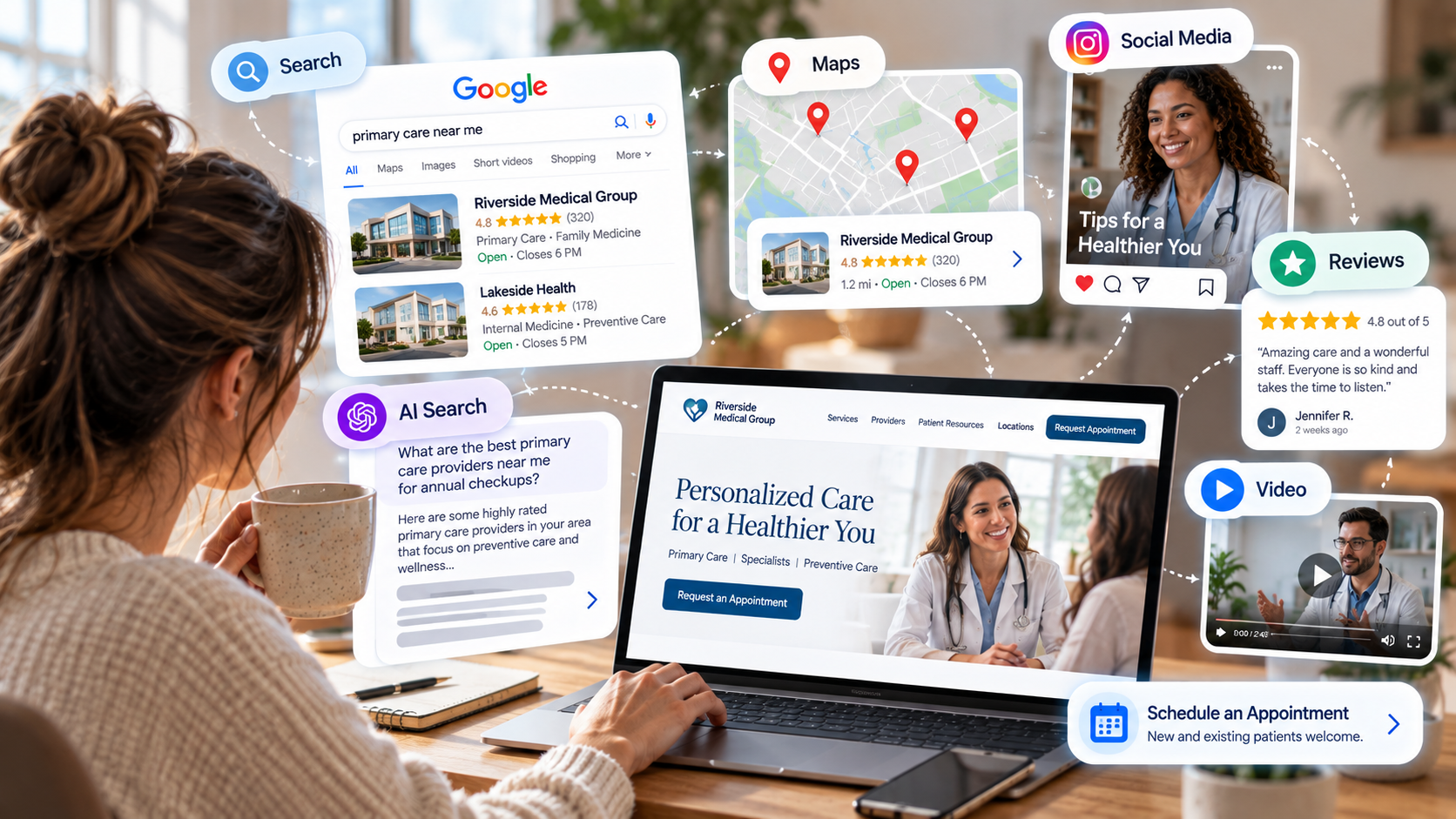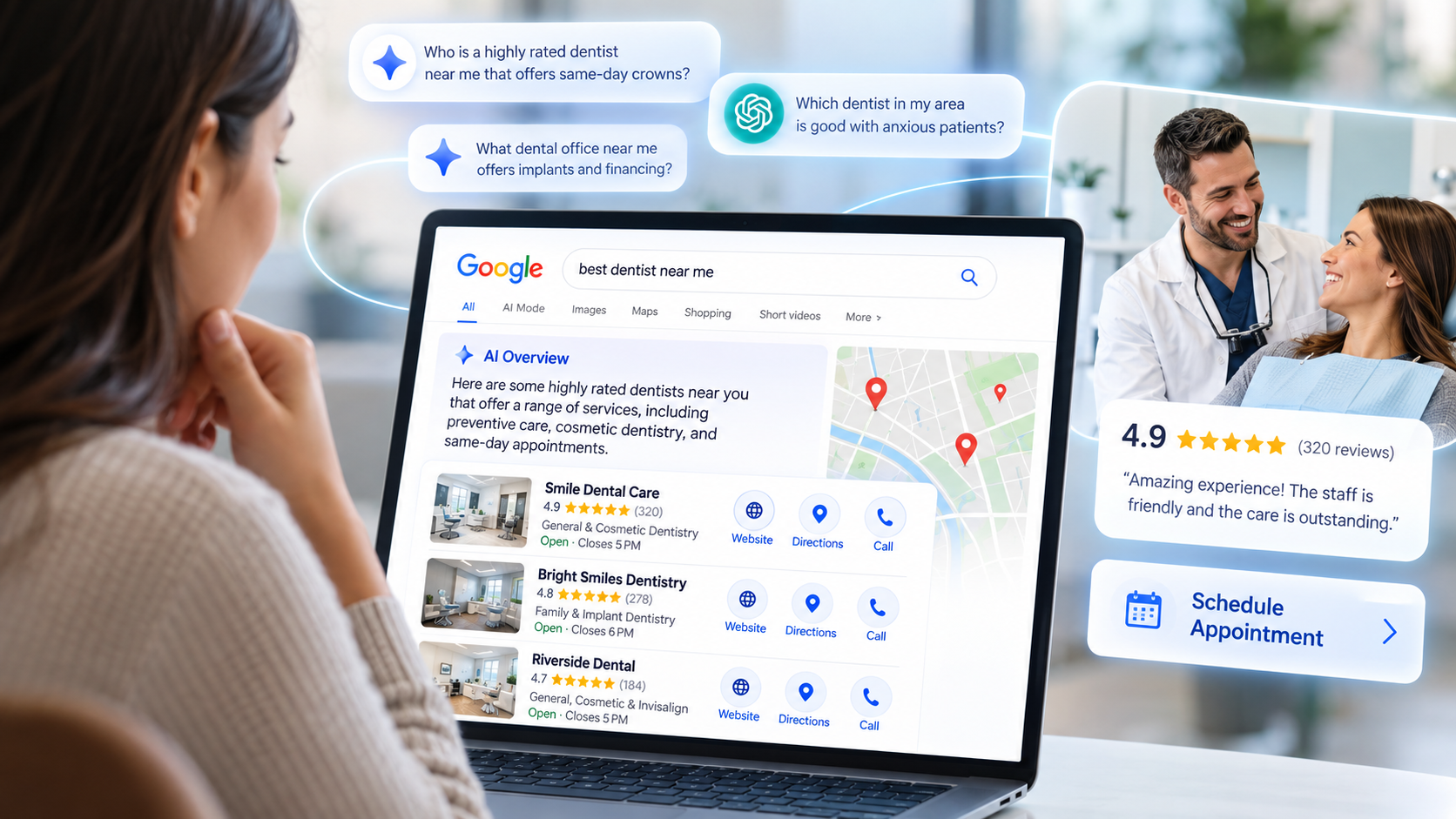

Most dental practices focus on the obvious growth tools like SEO, paid ads, and social media. Those are important, but they are only part of what actually drives steady patient growth. The difference between a practice that struggles with inconsistent bookings and one that grows consistently often comes down to what happens after the first click or phone call.
This is where the real opportunity sits, in the details that are easy to overlook but have a direct impact on conversion rates and long-term retention.
The Patient Journey Does Not End at Booking
Many practices treat booking an appointment as the finish line, but it is really just the beginning of the patient relationship.
After a patient schedules, their experience is shaped by communication, clarity, and reassurance. If any of those are missing, cancellations become more likely.
Strong patient journeys are built through clear pre-appointment instructions, helpful reminders, and easy access to practice information. Patients also need to feel confident about what to expect before they walk in the door. Even small improvements in this stage can significantly reduce no-shows and increase overall satisfaction.
For more context on patient communication standards, you can explore resources from the American Dental Association.
Why Patient Psychology Impacts Conversion More Than Marketing Spend
It is easy to assume that more leads automatically result in more patients, but conversion is often driven by psychology rather than volume.
Patients hesitate for reasons that usually have nothing to do with your marketing. Cost uncertainty, fear of discomfort, and lack of clarity are often the real barriers. Trust also plays a major role, especially when someone is choosing a provider for the first time.
Practices that improve conversion rates usually focus on reassurance. This can include clear explanations of treatments on landing pages, patient-centered messaging that reduces anxiety, and follow-up communication that feels helpful instead of sales driven.
Internal resource for further reading: /blog/dental-website-checklist
When patients feel informed and comfortable, they make decisions faster and are less likely to cancel.
The Missing Follow-Up System in Most Dental Practices
One of the most overlooked areas in dental marketing is structured follow-up. Many leads are lost not because patients said no, but because no one followed up consistently.
A strong follow-up process does not rely on memory or manual effort alone. It includes timely outreach after an inquiry, personalized communication based on treatment interest, and clear tracking of where each lead is in the pipeline.
It also means understanding the difference between a warm lead and a cold one, and adjusting communication accordingly. Without this structure, even high-performing marketing campaigns can underdeliver because opportunities quietly disappear.
Internal reference: /marketing-initiatives
The Front Desk Still Has a Direct Impact on Revenue
Even with advanced marketing systems, the front desk remains one of the most important parts of patient acquisition.
The first real interaction a patient has with your practice is often a phone call or message response. That moment shapes trust and determines whether they move forward or look elsewhere.
Speed matters, but tone matters just as much. Patients want clarity, confidence, and a sense that they are being guided, not rushed. The ability to explain next steps in a simple way can directly influence booking rates.
For additional insight into healthcare communication systems, visit https://www.healthit.gov/topic/health-it-and-health-information-exchange-basics.
Re-Engaging Lost Leads Without Increasing Ad Spend
Most practices spend heavily on new patient acquisition while ignoring people who have already shown interest. These are often some of the easiest conversions available.
Re-engagement can be as simple as reaching out to patients who never scheduled after an inquiry, checking in with patients who canceled, or sending reminders about overdue preventive care. The key is to keep communication helpful and non-pushy.
This approach works because familiarity already exists. You are not starting from zero trust, you are continuing a conversation that already began.
Internal link idea: /blog/retaining-existing-patient-base
How Content Builds Trust Before a Patient Ever Calls
Most patients do research before contacting a dental office. That means your content often does more selling than your ads do.
Good content answers questions clearly and removes uncertainty. It helps patients understand what to expect, what treatments involve, and how to prepare for visits. When people feel informed, they are more likely to reach out.
Helpful content topics often include first visit expectations, insurance explanations in plain language, and guidance on when to seek treatment instead of waiting.
You can find general oral health guidance from the CDC.
Why Data Alone Does Not Improve Performance
Many practices track numbers like website traffic, calls, and booked appointments. While useful, these metrics do not automatically improve results.
The real value comes from understanding what the data means. For example, where patients drop off in the booking process, which campaigns bring in higher quality leads, and how front desk interactions influence conversion rates.
Without interpretation, data becomes a report. With interpretation, it becomes a roadmap for improvement.
Internal reference: /blog/marketing-roi-guide
Building a More Predictable Growth System
Sustainable growth does not come from one strategy. It comes from systems that work together consistently.
A strong system includes reliable lead generation, structured follow-up, a smooth onboarding experience for new patients, and clear communication at every stage of the journey. It also requires regular review of what is working and what is not.
When these pieces are aligned, growth becomes more predictable and less dependent on seasonal fluctuations or one-time campaigns.
Let’s Grow Your Practice
Patient growth is not only about visibility. It is about what happens after someone finds your practice.
The most impactful improvements often come from communication, follow-up, and patient experience rather than increased ad spend. When practices focus on the full journey instead of just the first click, they tend to see stronger results and more consistent growth.
Reach out to us today: marketing@patientshow.com