Attracting new patients is an important goal for every healthcare practice, but long-term growth depends on something equally valuable: keeping the patients you already have.
Patient retention directly impacts the success of a dental or medical practice. When patients return for follow-up visits, preventive care, and ongoing treatment, practices experience more predictable revenue, stronger relationships, and increased opportunities for referrals.
However, patient expectations have changed. People are accustomed to convenient digital communication in nearly every area of their lives. They receive appointment confirmations by text, manage accounts online, and expect businesses to communicate quickly and efficiently.
Healthcare practices that embrace digital communication can create a better patient experience, improve engagement, and encourage patients to stay connected with their providers.
Why Patient Retention Matters for Healthcare Practices
Many practices focus heavily on attracting new patients through advertising, search engine optimization, and other marketing efforts. While bringing in new patients is essential, retaining existing patients is often more cost-effective.
A patient who already knows and trusts your practice is more likely to:
- Schedule routine appointments
- Accept recommended treatments
- Refer friends and family
- Leave positive online reviews
- Continue receiving care over time
Strong patient relationships are built through consistent communication, not just the appointment itself.
Every interaction a patient has with your practice, from scheduling to follow-up reminders, contributes to their overall experience.
Meet Patients Where They Are
Traditional communication methods, such as phone calls and mailed reminders, still have value. However, many patients now prefer faster and more convenient options.
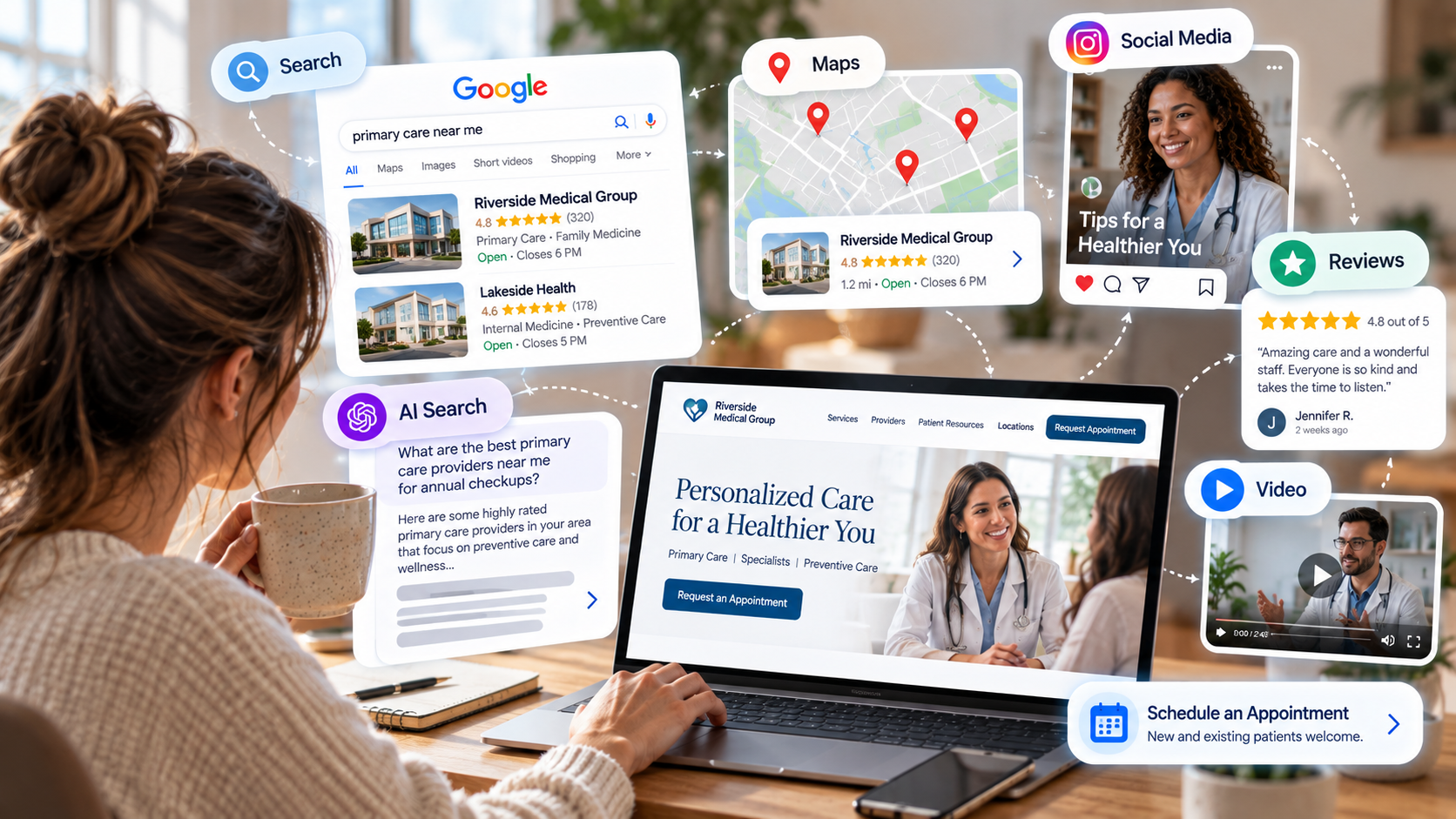
Digital communication allows practices to connect with patients through channels they already use, including:
- Text messages
- Online appointment requests
- Patient portals
- Automated reminders
- Digital forms
Providing multiple communication options shows patients that your practice values their time and understands their preferences.
Use Automated Appointment Reminders
Missed appointments create challenges for both patients and practices. They disrupt schedules, reduce efficiency, and can delay important care.
Automated reminders help keep patients informed while reducing the need for staff members to spend hours making manual reminder calls. Research on patient reminders and notifications highlights how digital tools can help patients manage healthcare tasks and stay connected with providers.
Effective reminders can include:
- Appointment date and time
- Location information
- Preparation instructions
- Confirmation options
- Rescheduling instructions
Text message reminders are especially helpful because they allow patients to quickly confirm appointments directly from their mobile devices.
A simple reminder can make the difference between a patient showing up or forgetting an appointment entirely.
Make Scheduling Simple and Convenient
A complicated scheduling process can create frustration before a patient ever visits your office.
Patients want the ability to request appointments quickly without waiting on hold or calling during limited office hours.
Adding convenient scheduling options to your website allows patients to take action when it works best for them.
A well-designed healthcare website should make it easy for visitors to:
- Find appointment information
- Learn about services
- Contact the practice
- Request a visit
- Access patient resources
Patient Show helps healthcare practices create digital experiences that support both patient acquisition and retention through professional healthcare website design.
Personalize Patient Communication
Patients want to feel recognized, not like another name on a schedule.
Personalized communication can strengthen relationships by providing information that is relevant to each patient’s needs.
Examples include:
- Birthday messages
- Preventive care reminders
- Follow-up messages after appointments
- Educational content related to treatments
- Updates about new services
A patient who receives helpful communication between appointments is more likely to view your practice as a trusted healthcare partner.
Use Educational Content to Stay Connected
Communication does not always need to focus on scheduling appointments.
Educational content helps keep patients engaged while providing valuable information that supports better health decisions.
Healthcare practices can share:
- Blog articles
- Treatment explanations
- Preventive care tips
- Frequently asked questions
- Seasonal health reminders
Consistent educational content also supports search engine visibility by helping practices demonstrate expertise and authority online.
Patient Show works with healthcare organizations to develop SEO strategies and content that helps practices connect with patients throughout their healthcare journey.
Encourage Patient Feedback
Communication should be a two-way conversation.
Patient feedback provides valuable insight into what your practice is doing well and where improvements may be needed.
Digital tools make it easier to collect feedback through:
- Online reviews
- Patient surveys
- Follow-up emails
- Feedback forms
Responding appropriately to feedback shows patients that their opinions matter.
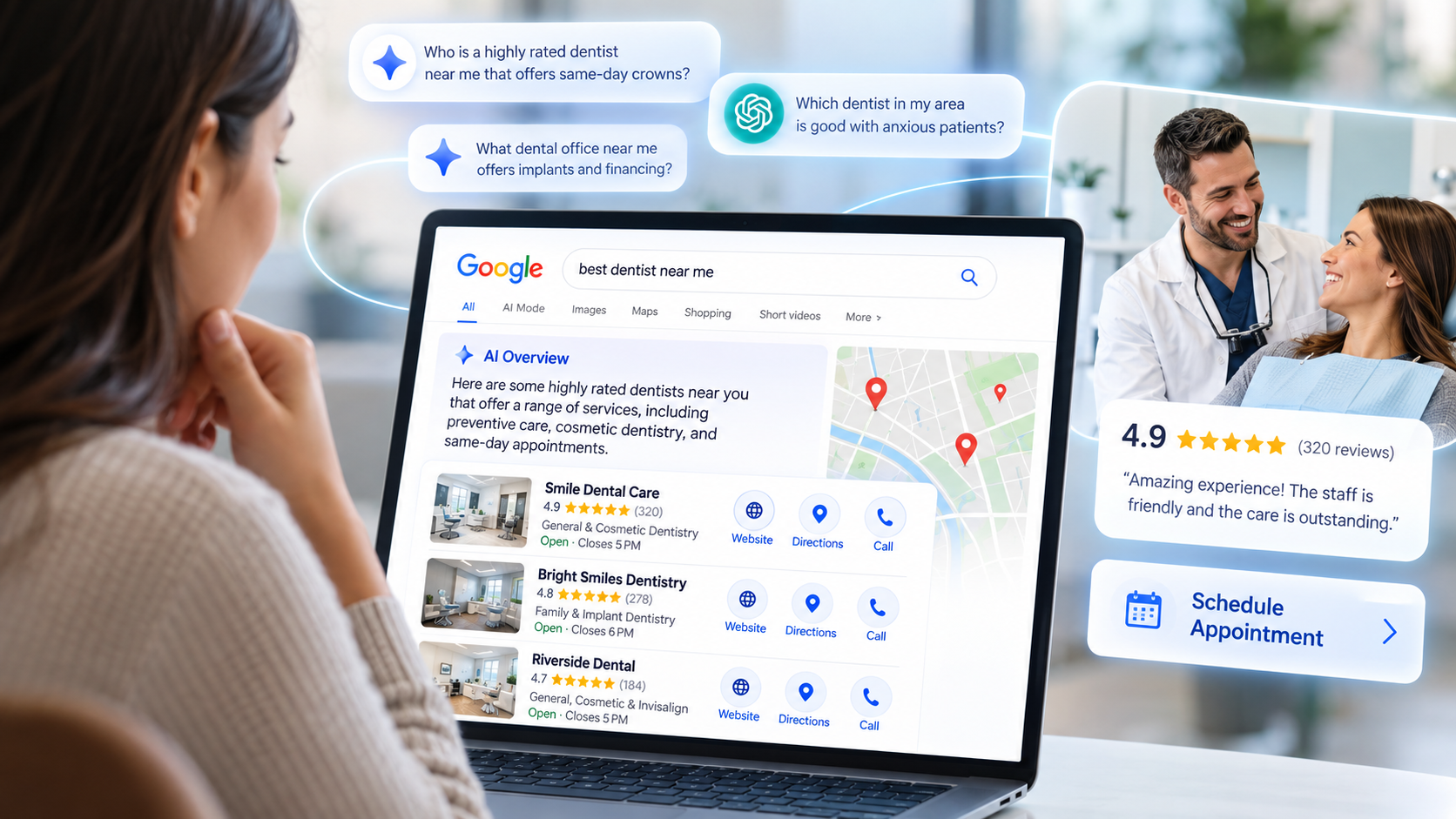
Positive reviews can also influence future patients who are researching your practice online. A strong online reputation supports both patient retention and new patient growth.
Keep Communication Consistent Across Every Channel
A patient’s experience should feel consistent whether they interact with your practice online, over the phone, or in person.
Inconsistent messaging can create confusion and frustration.
Make sure your:
- Website information is accurate
- Appointment instructions are clear
- Emails and texts use a consistent voice
- Staff members understand communication expectations
A cohesive patient experience builds confidence and trust.
Protect Patient Information
Digital communication provides convenience, but healthcare practices must prioritize privacy and security.
Any communication strategy should follow appropriate healthcare privacy requirements and use secure platforms designed for healthcare environments.
Before implementing new communication tools, practices should evaluate:
- Security features
- HIPAA compliance
- Integration capabilities
- Ease of use for patients and staff
The goal is to improve communication while protecting sensitive patient information.
Digital Communication Builds Stronger Patient Relationships
Patient retention is not created through a single interaction. It develops through consistent experiences that make patients feel valued and supported.
Digital communication helps practices stay connected before, during, and after appointments. From reminders and scheduling tools to educational content and feedback opportunities, each interaction strengthens the patient relationship.
For healthcare practices looking to improve their digital presence, Patient Show provides solutions designed to help attract, engage, and retain patients. Learn more about healthcare marketing solutions from Patient Show.
Continuing Changes
The healthcare landscape continues to change, and patient expectations continue to rise. Practices that communicate effectively through digital channels are better positioned to create lasting relationships and improve retention.
By making communication easier, more personalized, and more convenient, healthcare providers can improve the patient experience while building a stronger foundation for long-term practice growth.
Digital communication is not about replacing personal connections. It is about giving patients more opportunities to stay connected with the healthcare providers they trust.
Reach out to us today: marketing@patientshow.com